Biohazard Cleanup
Blood, sewage, sharps and other biohazards removed and disinfected by cleanup crews in protective gear.
Learn more →Texas · Hutchinson County
Unsure whether a mess counts as a biohazard in Borger, TX? Call (877) 812-4220 and ask. Blood, human waste, decomposition, sharps and sewage all get full protective gear and hospital-grade disinfection.
If anyone is in danger, call 911 first. For a suicide crisis, call or text 988.
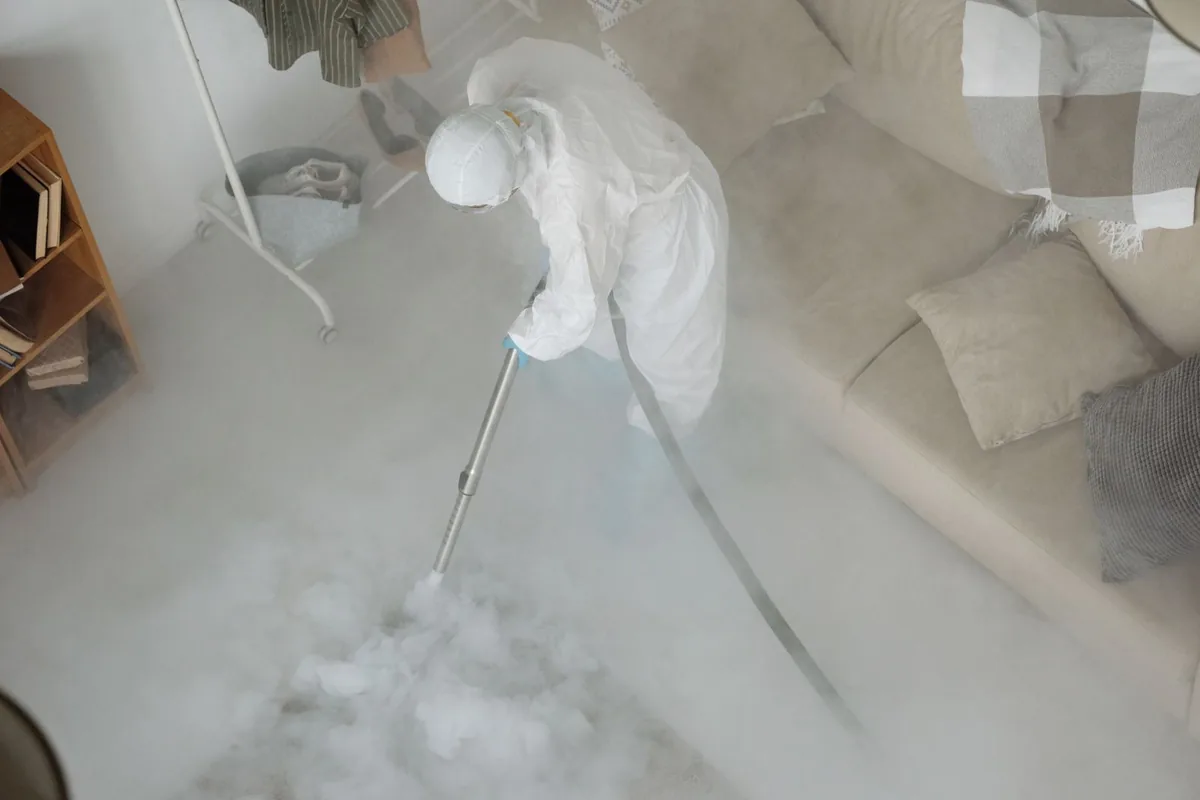
What counts as a biohazard? Anything that can spread disease, such as blood, tissue, bodily fluids, human waste, raw sewage, sharps and some animal waste. In Borger, you can get residential and commercial biohazard cleanup that removes it safely and completely, with help from Borger Biohazard Cleanup Help.
Property owners, family members, landlords, property managers and insurance adjusters can all get help from Borger Biohazard Cleanup Help. The cleanup is documented with photos and notes, and coverage reaches Borger, Stinnett and nearby towns across Hutchinson County.
The average July high in Borger is 95 degrees. Heat speeds decomposition, so an unattended death can become a larger cleanup in a short time. The census figure for older adults living alone in Borger is 44%, above the Texas average. When someone lives alone, a death can go unnoticed for days, and unattended death cleanup follows.
Protective equipment is the first thing a crew puts on and the last thing it takes off. Respirators, gloves, face protection and disposable suits keep technicians safe, and OSHA's Bloodborne Pathogens Standard (29 CFR 1910.1030) is the guide for how it is used.
The finish matters as much as the cleanup. After disinfection, HEPA air scrubbers run, odor equipment works on the room, and the crew checks every surface, with ATP testing available to confirm the result.
Below are the cleanup services you can get in Borger, grouped by what happened: death and trauma, waste and hoarding, disease and drugs, and property cleanouts.
Blood, sewage, sharps and other biohazards removed and disinfected by cleanup crews in protective gear.
Learn more →Blood, bodily fluids and residue removed and disinfected after law enforcement releases the scene.
Learn more →Discreet trauma cleaning that covers waste disposal, odor removal and records for insurers.
Learn more →Decomposition cleanup that treats the room, the air and the odor at its source.
Learn more →Respectful biohazard cleanup that removes affected materials and treats odor so families do not have to.
Learn more →Compassionate cleanup after a death by violence, so families do not face the aftermath alone.
Learn more →Dried and set-in blood lifted from tile, wood and fabric, with odor treated once the cleanup is done.
Learn more →Commercial feces cleanup and body fluid cleaning for restrooms, shops, schools and care sites.
Learn more →Human feces and urine cleanup in homes, rentals and workplaces, with disinfection and odor treatment.
Learn more →Removes soaked materials, disinfects and neutralizes odor in homes, rentals and vehicles.
Learn more →Hoarder house cleaning with the heavy lifting, disposal and sanitizing taken care of.
Learn more →Trash, donation and recycling hauled out of crowded homes, followed by a thorough clean.
Learn more →Crews clear waste, ruined materials and pests, then disinfect and deodorize each room.
Learn more →Squalor cleanup that removes filth, waste and spoiled food, then scrubs and disinfects every room.
Learn more →Sewer backup cleaning for toilets, drains, basements and crawl spaces in homes and businesses.
Learn more →Emergency disinfection after contagious illness, with soft items treated or removed and the space checked.
Learn more →Surfaces cleaned, disinfected and checked so a contaminated room or vehicle is safe to use again.
Learn more →Medical waste removal: sharps, soaked dressings and clinical waste packed, sealed and hauled away.
Learn more →Needle and sharps cleanup: syringes found, collected with tools and disposed of in sealed containers.
Learn more →Drug paraphernalia cleanup: syringes, pipes and items removed, surfaces cleaned and waste hauled away.
Learn more →Testing, removal, cleaning and retesting for properties where meth was made or heavily used.
Learn more →Found unknown powder? A cleanup team contains the area, cleans surfaces and hauls waste safely.
Learn more →Toxic waste cleanup that identifies the substance, cleans affected surfaces and follows disposal rules.
Learn more →Fuel, solvent and chemical spill cleanup for homes, farms, shops and fleet yards.
Learn more →Irritant residue removed from walls, floors, fabrics and vents after tear gas or pepper spray is released.
Learn more →Droppings cleanup in kitchens, garages, ductwork and storage rooms with protective gear and sealed disposal.
Learn more →Pigeon and bird droppings cleanup on ledges, balconies, warehouses and storefronts.
Learn more →Carcass cleanup of fluids and soaked insulation, carpet and drywall that cannot be saved.
Learn more →Rideshare, rental and fleet vehicle decontamination handled quietly and returned ready to use.
Learn more →Accident scene cleanup for homes, stores, offices and vehicles, handled quietly with protective gear.
Learn more →Biohazard cleaning for commercial and industrial sites, from restrooms and break rooms to warehouse floors.
Learn more →Careful clearing of a home after a death, with biohazard cleanup first when it is needed.
Learn more →A cleanup specialist asks what happened, who is safe and whether police or an investigator have released the scene. The answers decide how the job is planned.
A technician walks the space, notes where fluids reached and lists what can be cleaned and what must be removed. The plan and cost range are explained before work begins.
Soaked materials are removed, then floors, walls, furniture and fixtures are cleaned and treated with hospital-grade disinfectant.
Odor is neutralized, biohazardous waste leaves under medical waste rules, and a final inspection confirms the property is safe to use again.
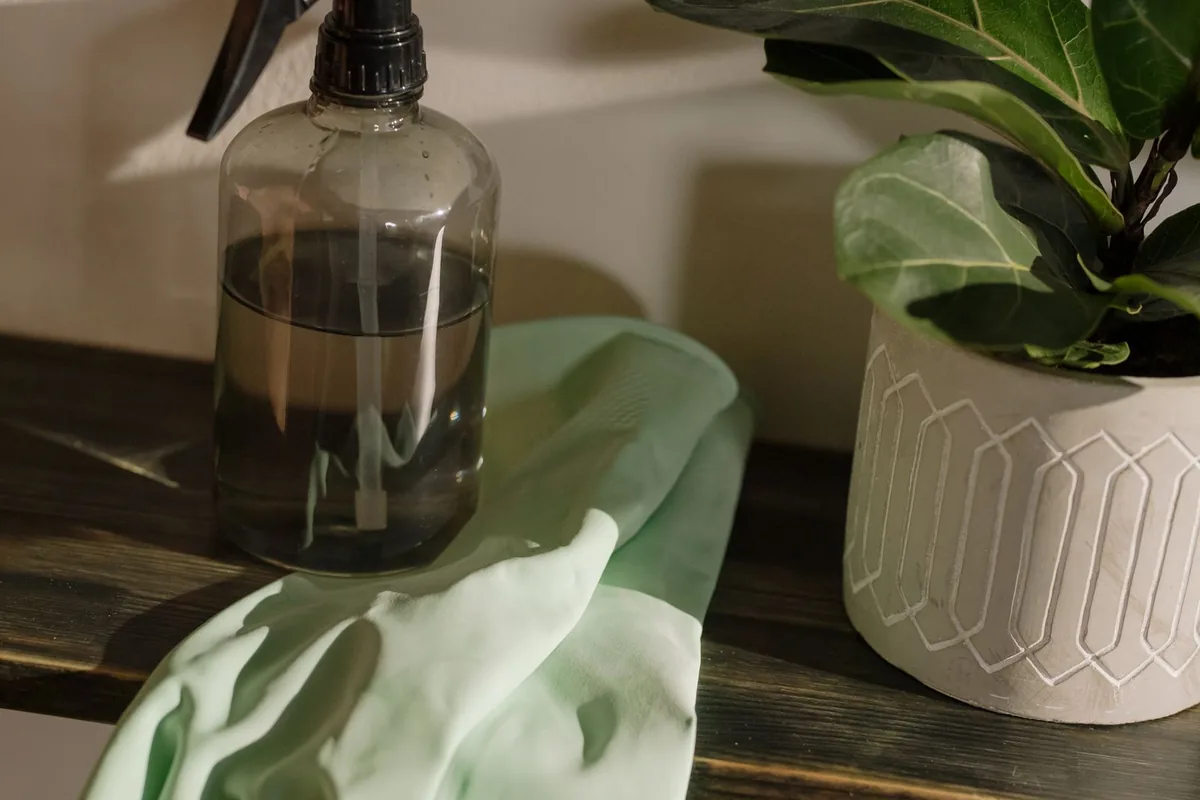
Blood, decomposition, sewage, sharps, hoarding, drug residue and infectious disease all fall under one call, with the right method for each.
The work is documented with photos and notes for homeowners insurance or a landlord policy, and the Texas Crime Victims' Compensation claim is explained.
Death odor and sewage smell are treated with air scrubbers and hydroxyl or ozone equipment, not masked with sprays that fade.
At crime and death scenes, work waits for law enforcement or the investigator to release the property. Nothing is disturbed before that.
Biohazard cleanup in Borger, TX typically costs $500 to $25,000, depending on the type of biohazard, the size of the affected area and how far fluids soaked into porous materials.
Most residential jobs cost $3,000 to $5,000 (Fixr). Two jobs that look alike can cost very different amounts. Hard flooring can be disinfected in place, while soaked carpet, padding and subfloor must be removed and replaced, which adds labor and waste disposal.
| Type of job | Typical range |
|---|---|
| Blood spill cleanup, small area | $500 - $2,500 |
| Crime scene cleanup, most homes | $1,500 - $7,500 |
| Unattended death cleanup | $2,000 - $7,000 |
| Suicide cleanup | $1,500 - $5,500 |
| Sewage cleanup, most homes | $2,000 - $10,000 |
| Hoarding cleanup, level 3 home | $2,000 - $5,000 |
| Meth lab cleanup, typical | $15,000 - $20,000 |
Estimates only, not a quote. Sources: Fixr, Yelp Costs, BioCleaners Directory, PushLeads, Dropcurb, Bob Vila and cleanup company cost guides. Call (877) 812-4220 to talk through the job.
Failing septic systems and sewer backups push raw sewage, a Category 3 biohazard, into homes. Sewage cleanup removes contaminated materials and disinfects every surface.
About 72% of homes in Borger were built before 1980, and older carpet, subfloor and trim hold fluids deeper, which can mean more material to remove.
An average July high of 95 degrees in Borger speeds up decomposition after a death. The sooner the scene is released and cleaned, the less the odor and fluids spread.
Families should never have to clean up after a suicide. Discreet suicide cleanup removes all traces with care and respect. Crisis support is available any time at 988.
Homes, churches and businesses may need infectious disease disinfection, needle and sharps cleanup, or meth lab and fentanyl decontamination after a property is released.
Falls, power tool injuries, farm and industrial accidents and car crashes can leave blood and tissue behind. Accident scene cleanup removes the trace so the space can be used again.
Biohazards are biological materials that can spread disease and cause serious health risks. Cleanup technicians look at two things on every job: what kind of biohazard is present, and how far it has spread. Together they set the safety steps, the timeline and the cleanup cost.
Funeral homes and the authorities remove the person. Biohazard cleaners, also called crime scene cleaners or trauma cleanup crews, clean the property afterwards, including fluids, affected materials and odor.
It can. A homeowners or renters policy may cover crime scene cleaning after the deductible, and a business policy may cover a commercial property. Insurance is used first, then the Texas Crime Victims' Compensation Program may help with what remains after a violent crime.
Contaminated items are bagged, labeled and moved as regulated medical waste. In Texas, companies that haul other people's untreated medical waste register with the Texas Commission on Environmental Quality (TCEQ). Contaminated materials should not go in household trash.
Describe what happened, where it is, how big the area is and whether police have released the scene. Mention any insurance claim, pets, valuables or access issues. The more detail you share, the clearer the plan and cost range can be.
OSHA's Bloodborne Pathogens Standard, 29 CFR 1910.1030, sets rules for protective equipment, handling, training and disposal when workers face blood or other potentially infectious materials. Biohazard cleanup crews follow it on every job.
Regular cleaning removes dirt. Biohazard cleanup removes infectious material and reaches under and behind surfaces, using PPE, containment, EPA-registered disinfectants and regulated waste disposal. It follows safety rules that ordinary cleaning does not.
It can. Hutchinson County has a Very Low river flood risk rating from FEMA. Wherever floodwater or a sewer backup enters a home, the water is treated as Category 3 and needs full cleaning and disinfection.
Heat speeds decomposition. With an average July high of 95 degrees in Borger, fluids and odor can spread faster, so the sooner the scene is released and cleaned the better.
Nearby towns such as Stinnett and Fritch are part of the Borger service area. Property owners in Hutchinson County can call (877) 812-4220 for biohazard removal at any hour.
Call (877) 812-4220 day or night and a cleanup specialist will answer.
Call (877) 812-4220